01
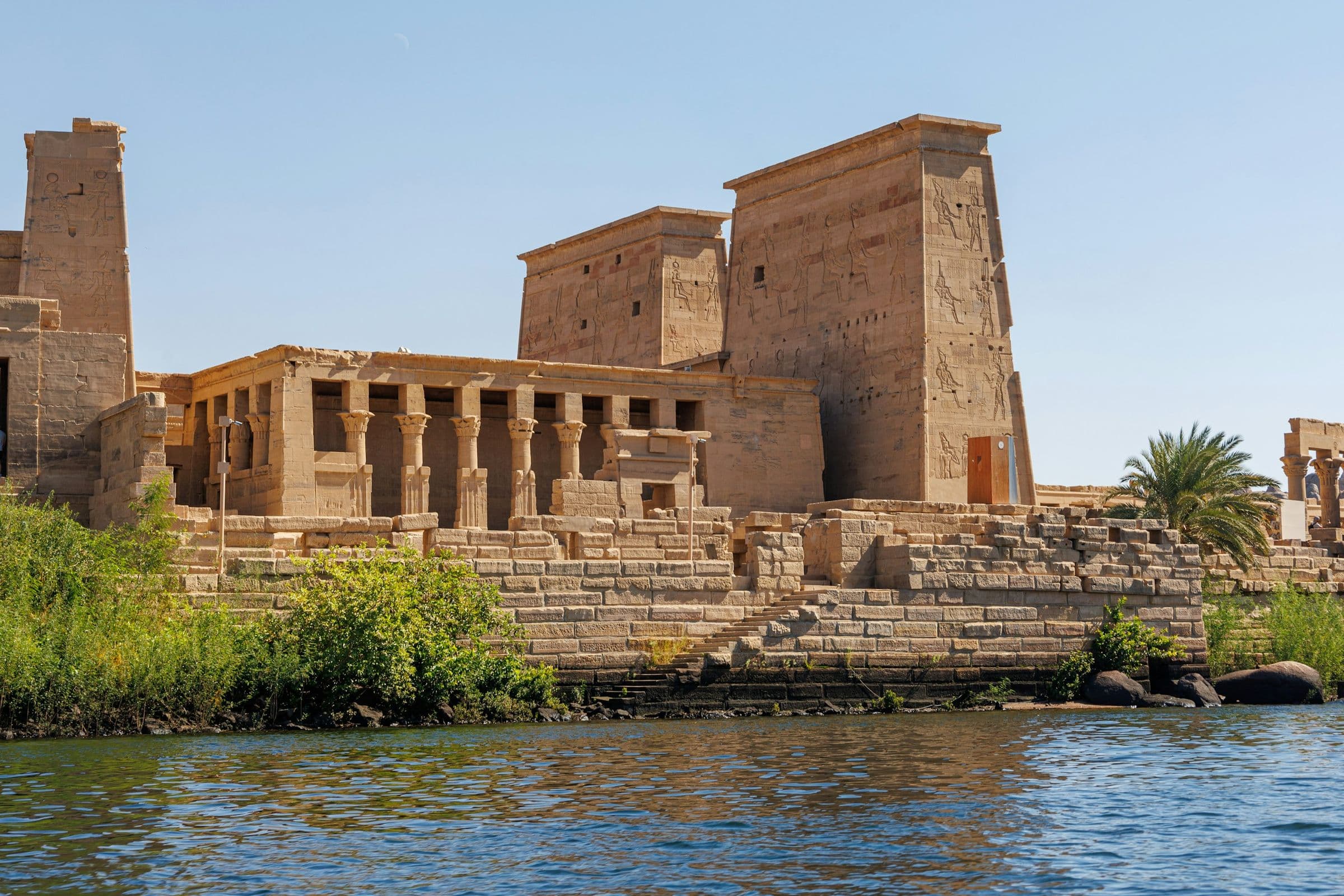
Philae Temple
Built to honour the goddess Isis, and the last temple built in the classical Egyptian style. Visit by day, or return at night for the sound and light show.
03 · Philae · Abu Simbel · Nubia
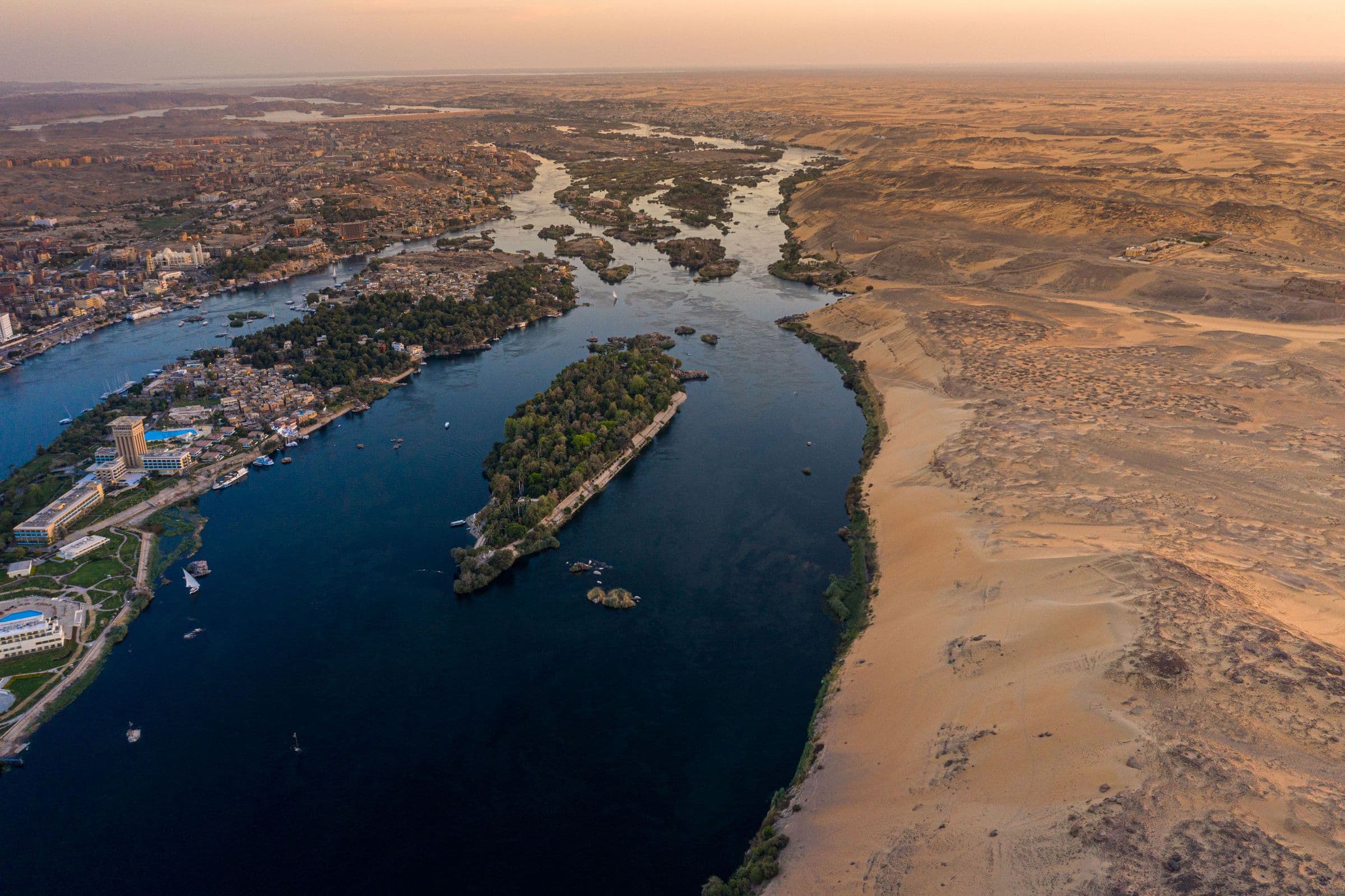
Nubian culture, Philae Temple, granite islands and feluccas: the gentlest, most beautiful stretch of the Nile.
Where the Nile slows down
Aswan lies around 900 kilometres south of Cairo, and it has a great deal to offer: temples, history, outdoor activities, eco-friendly sightseeing, or simply relaxing aboard a felucca. It is a family-friendly destination, rich in history, culture and art.
From here, guided tours reach some of the most significant sites in Egypt, including Philae Temple, the temples of Abu Simbel, Edfu and Kom Ombo, and the Aswan High Dam. Along the way there is time for traditional Nubian culture, cuisine and customs, and all tours are led by experienced local guides.
Highlights
Built to honour the goddess Isis, and the last temple built in the classical Egyptian style. Visit by day, or return at night for the sound and light show.
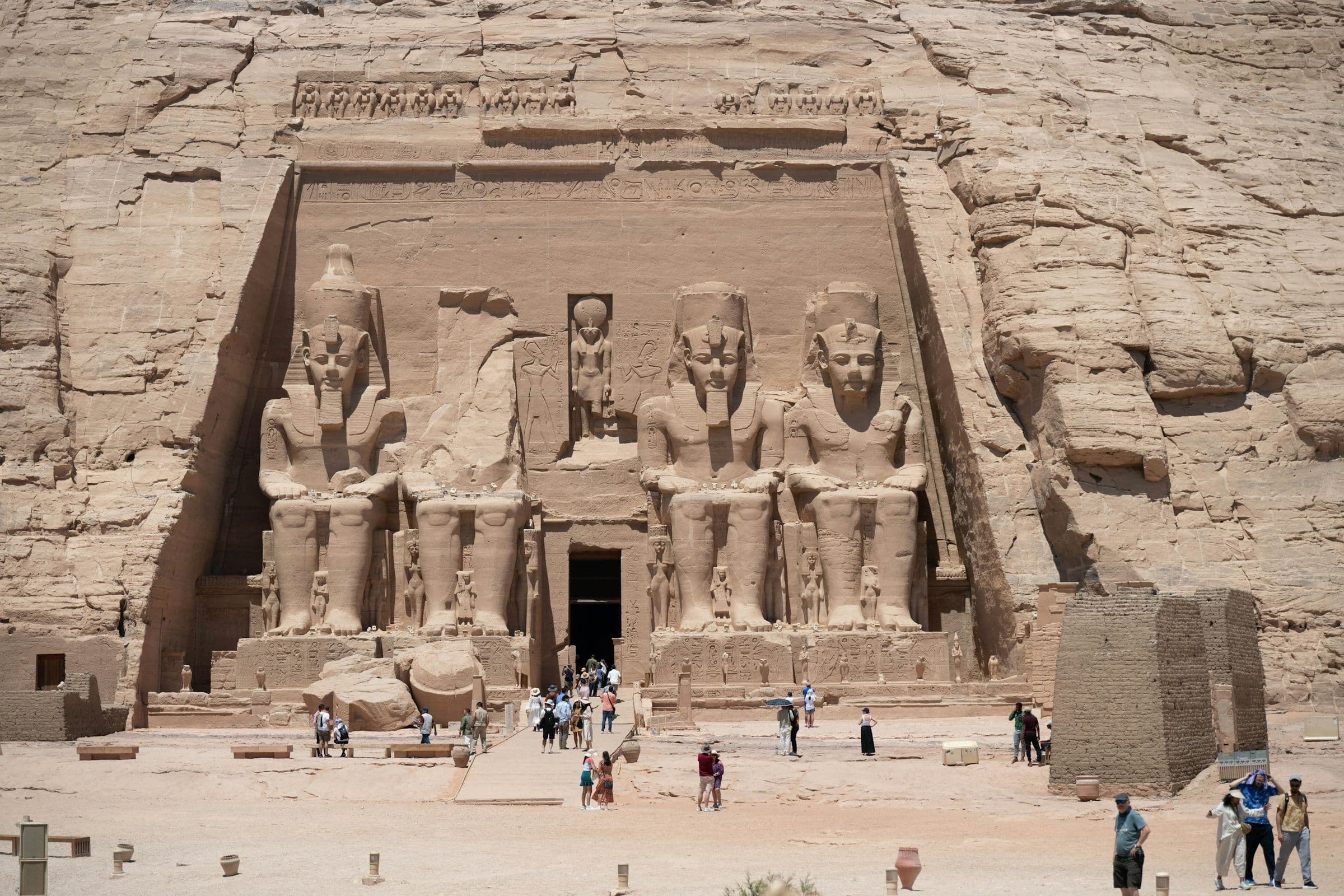
Ramses II’s temple to the sun gods. On two days each year the first rays of the morning sun reach deep inside to light the inner shrine.
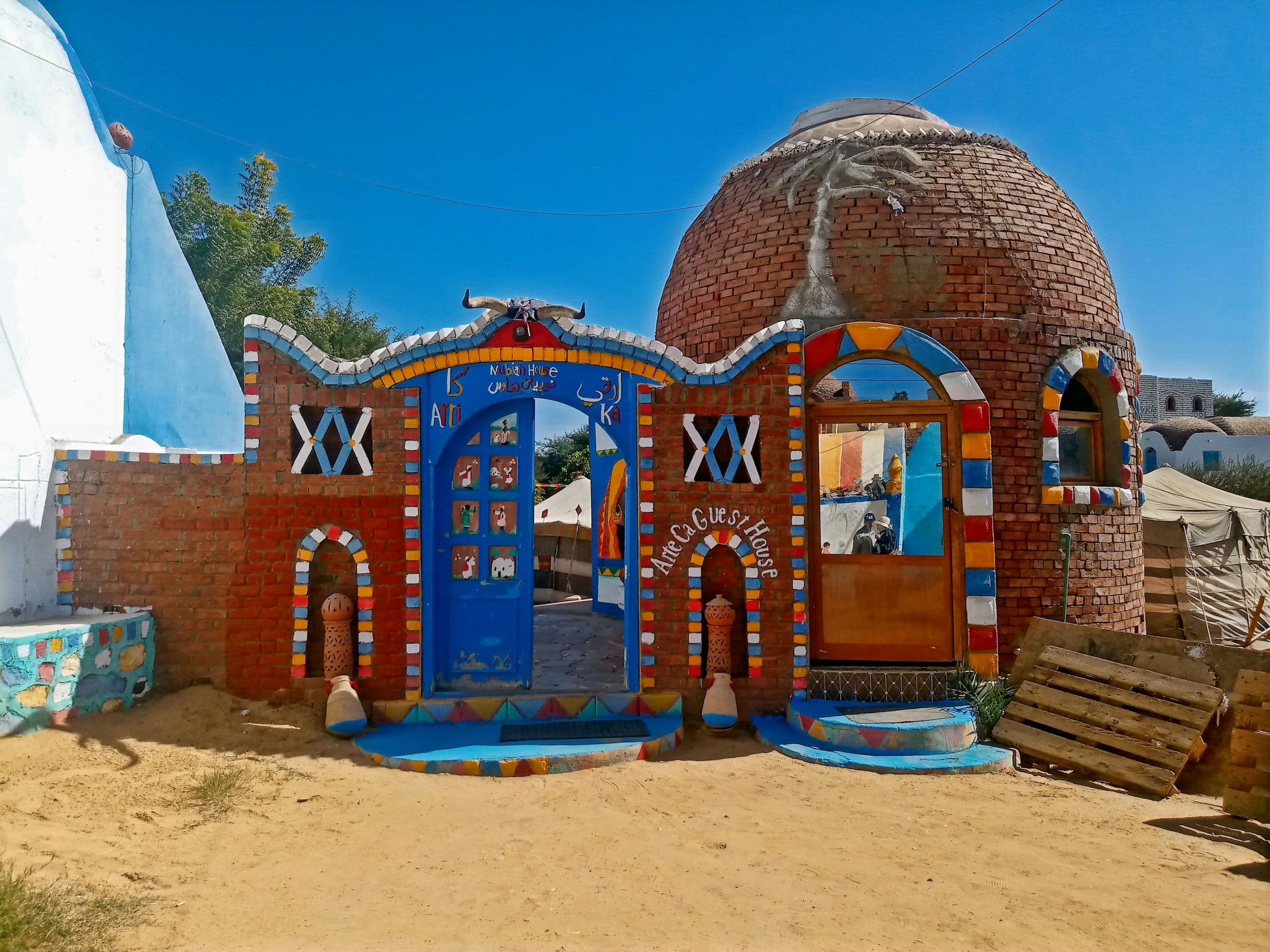
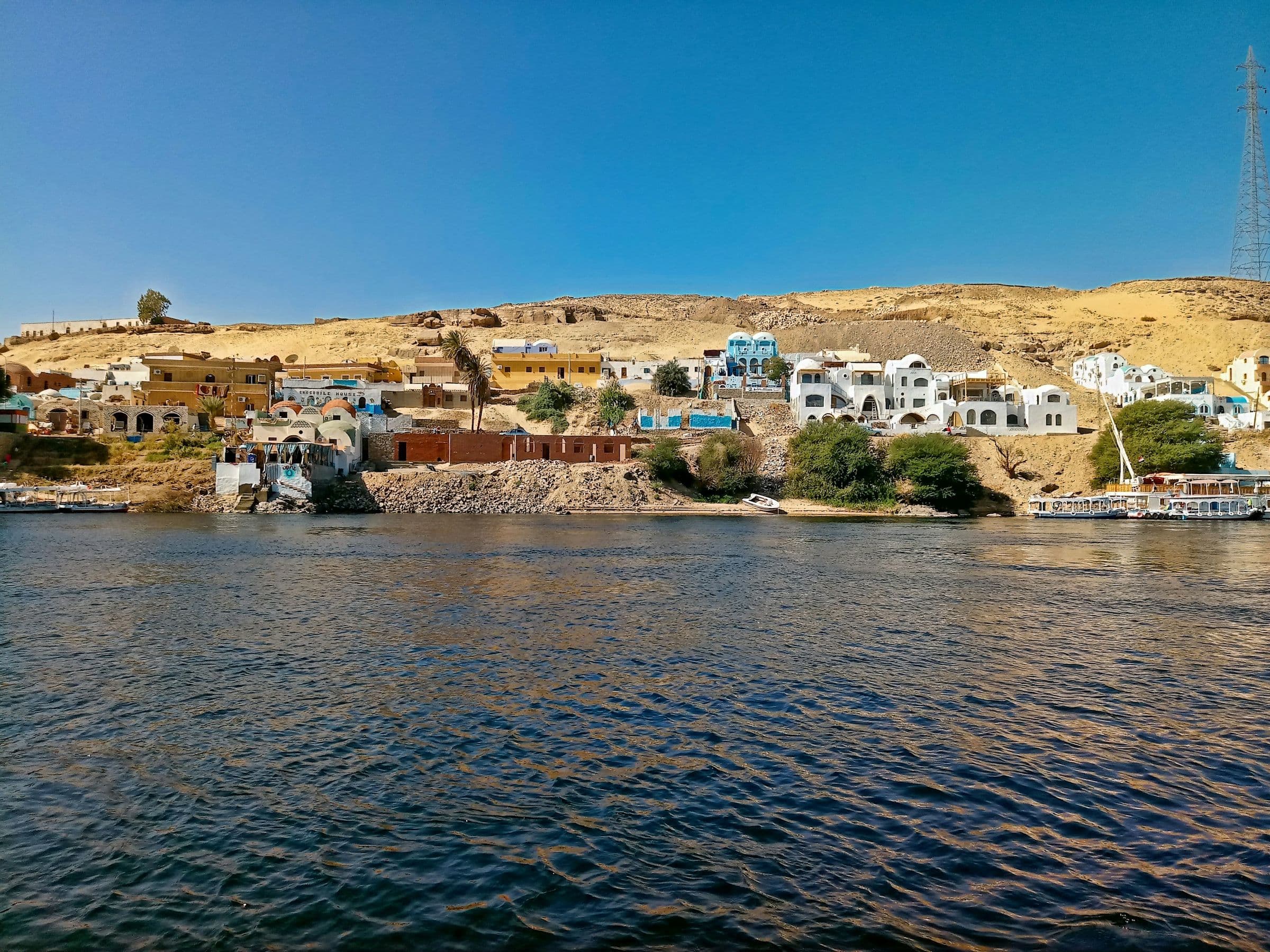
Brightly painted villages on the west bank, home to a people with their own languages and traditions, ideal for a half-day visit.
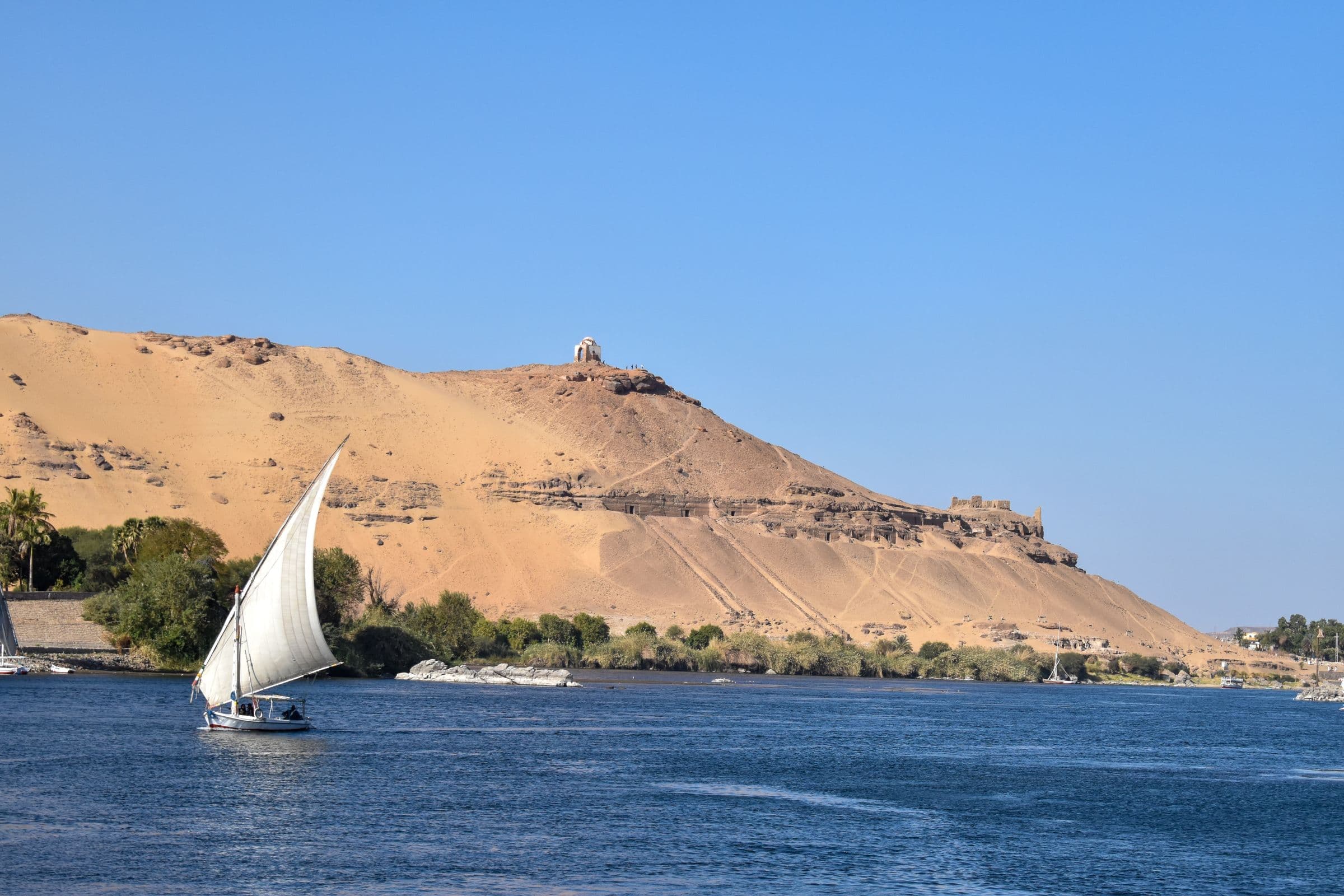
Drift between the granite islands under a cotton sail, the way the river has been travelled for centuries.
The Aswan guide
The city and its islands, the Nubian west bank, the great temples to the south, and the road north to Kom Ombo and Edfu.
Aswan
The temple of Isis on Agilkia Island, reached by boat.
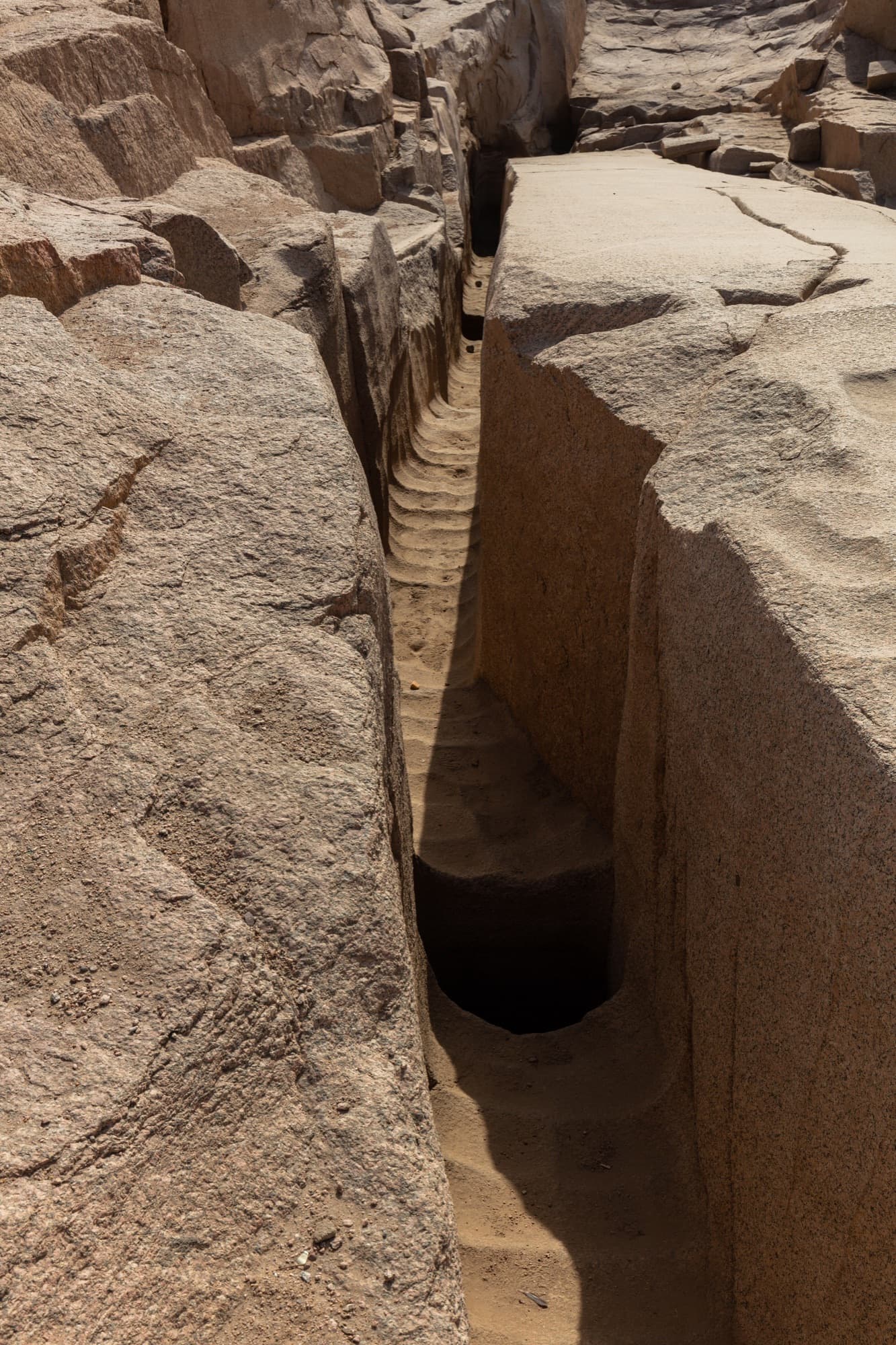
An obelisk still lying in its granite quarry, showing exactly how the ancients cut stone.
The great modern engineering landmark south of the city.
The history, archaeology and culture of Nubia.
The island’s ancient remains, its Nilometer and the Aswan Museum.
The botanical garden, reached by boat.
Shopping, cafés and an evening walk along the river.
Nubia
Rock-cut tombs high above the river, with a climb and wide Nile views.
A historic Coptic monastery in the desert, reached by boat and then on foot or by local transport.
Seen from the river and the surrounding hills.
A colourful Nubian village of painted houses and crafts, with optional Nubian hospitality.
The islands and the sunset from the water.
The golden dunes and open desert that begin just beyond the west bank.
Ride down the west bank dunes, with the Nile and the islands below.
Abu Simbel & Lake Nasser
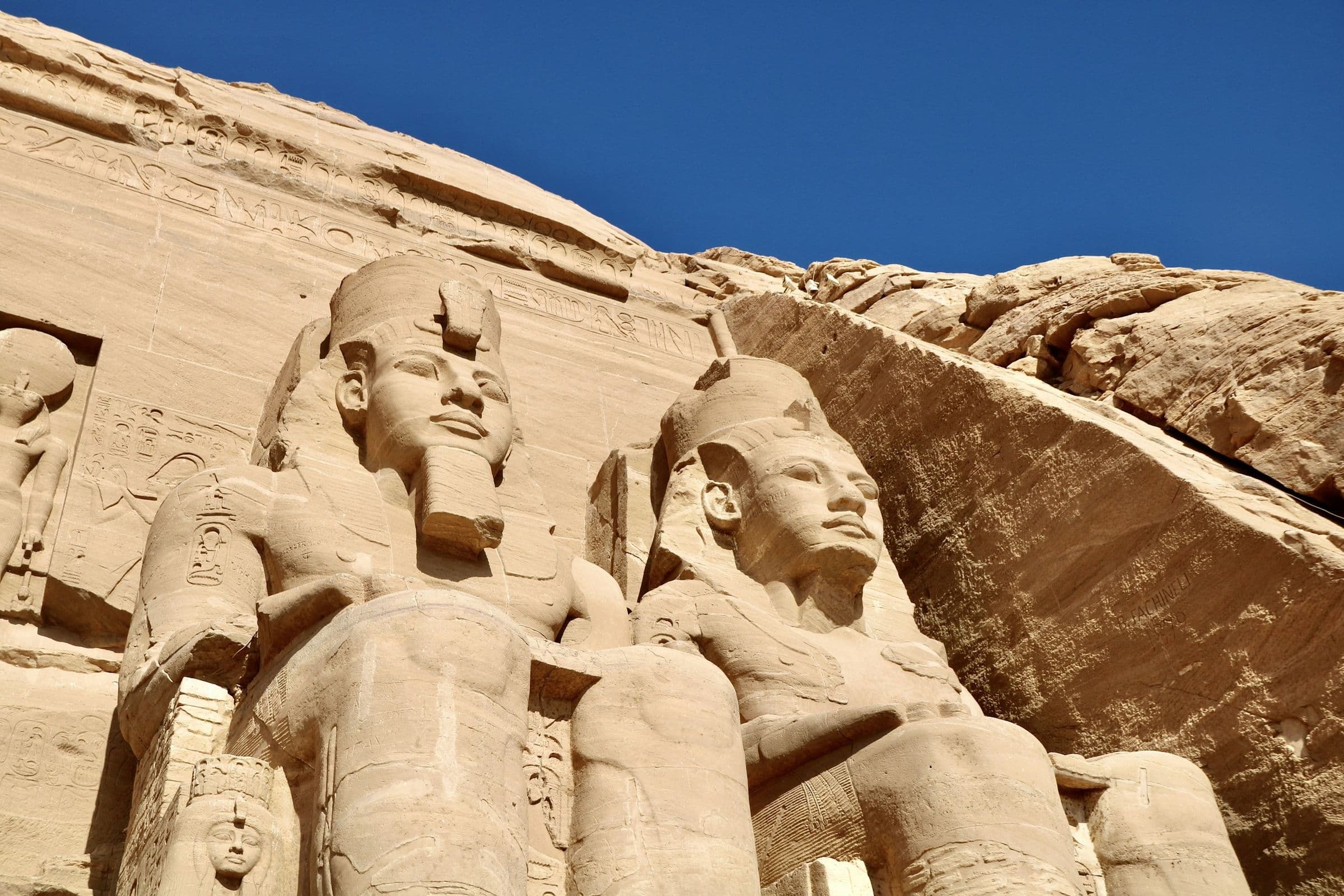
The Great Temple of Ramses II and the Temple of Nefertari, as a full day from Aswan.
A temple moved to New Kalabsha to save it from the waters of Lake Nasser.
A small rock-cut temple of Ramses II, visited when access can be arranged.
Amada, Wadi el-Sebua, Dakka and Maharraqa, usually reached by boat on a specially organised trip.
On the road to Luxor
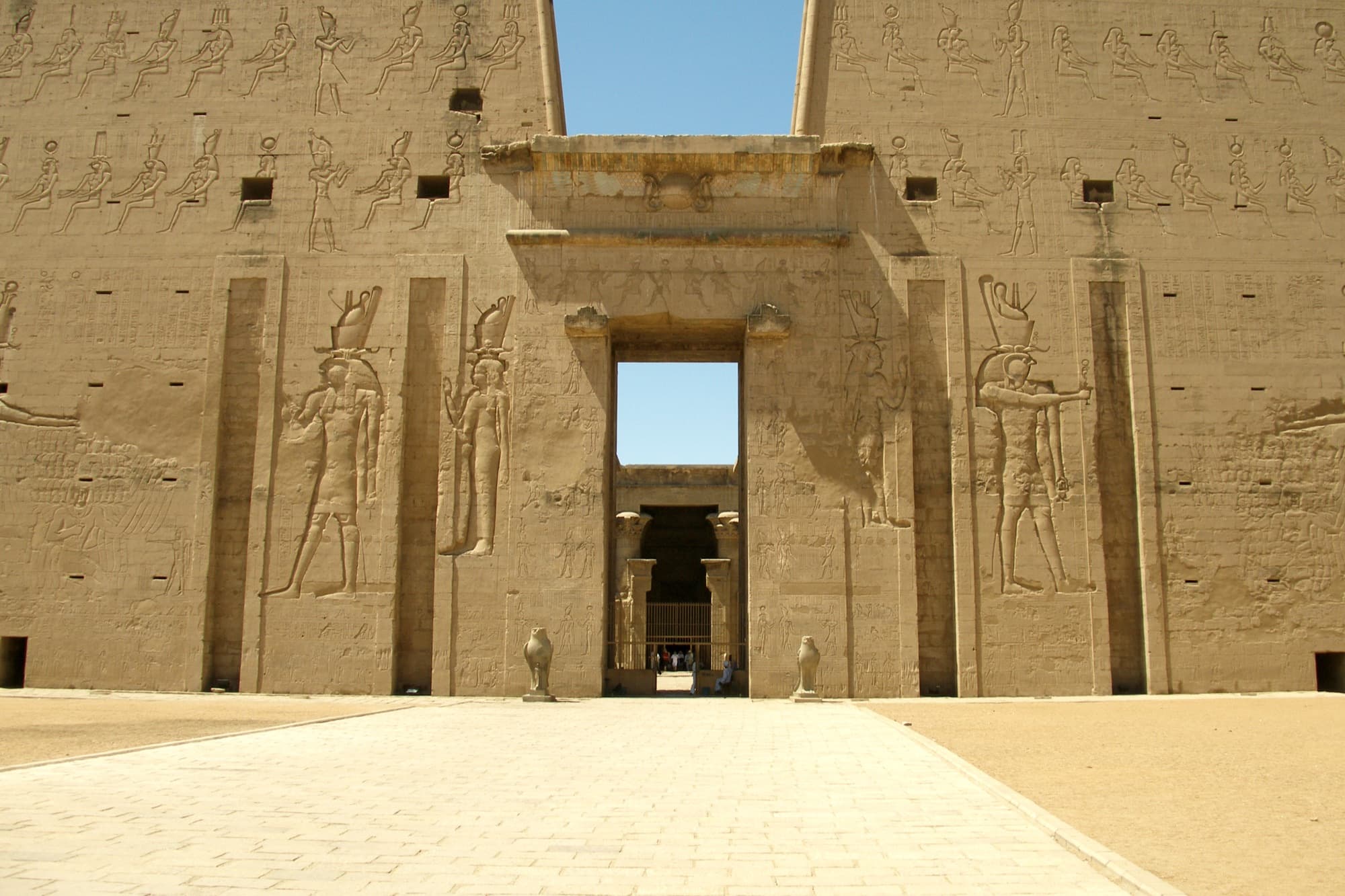
A rare double temple on a bend of the river, with the Crocodile Museum beside it.
The Temple of Horus, one of the best preserved in Egypt, usually combined with the journey to Luxor.
Suggested visit times are estimates. Opening hours, tickets and access change, so every visit is confirmed before it is booked.
Planning Aswan
A private vehicle for the sites on land, and a boat for Philae, the islands and the Nubian villages.
Around 280–300 km each way from Aswan. The departure time is set by the transport arrangements on the day.
The remote temples depend on a boat programme and site access, so they are never sold as an ordinary day trip.
Climbs, heat and water are discussed in advance, especially for older travellers and anyone with limited mobility.
Experiences
Each experience can be arranged around your dates and your group.
A week at Aswan’s pace: Philae and the High Dam, the museums and islands, a day in Nubia, Abu Simbel, and the temples to the south or the road north to Kom Ombo and Edfu.
View detailsRamses II’s monumental temple to the sun gods, with its Osiride statues and painted scenes of the battle of Kadesh.
View detailsThe island temple of Isis, the last built in the classical Egyptian style. Visit by day, or return for the evening sound and light show.
View detailsColourful villages on the west bank of the Nile, home to a people with their own languages, traditions and roots reaching back to Sudan and Africa.
View details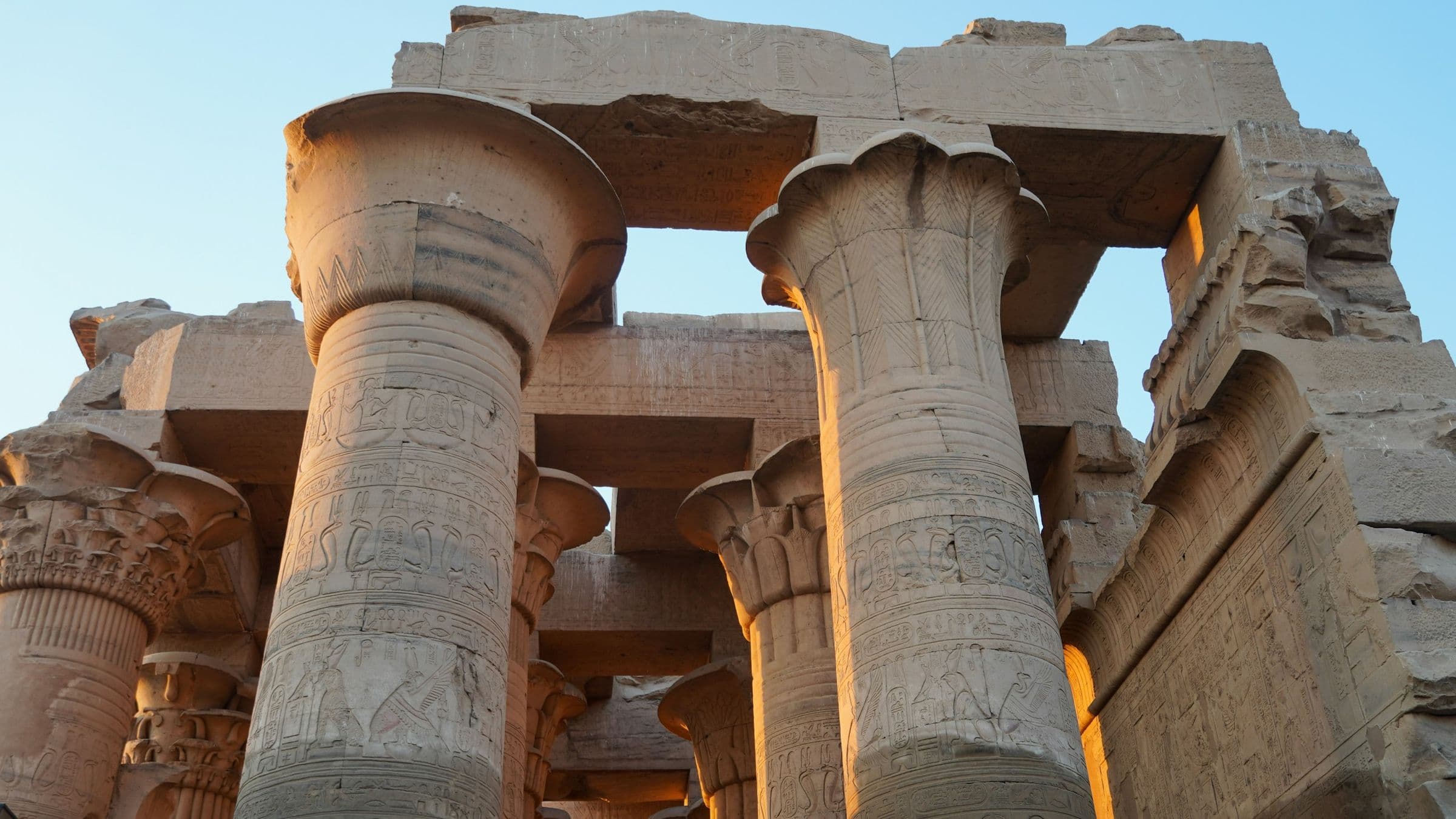
Two of the great temples between Aswan and Luxor, each with its own character, explored with an experienced local guide.
View detailsSlow down aboard a traditional sailing boat and drift between Aswan’s granite islands and golden desert banks.
View details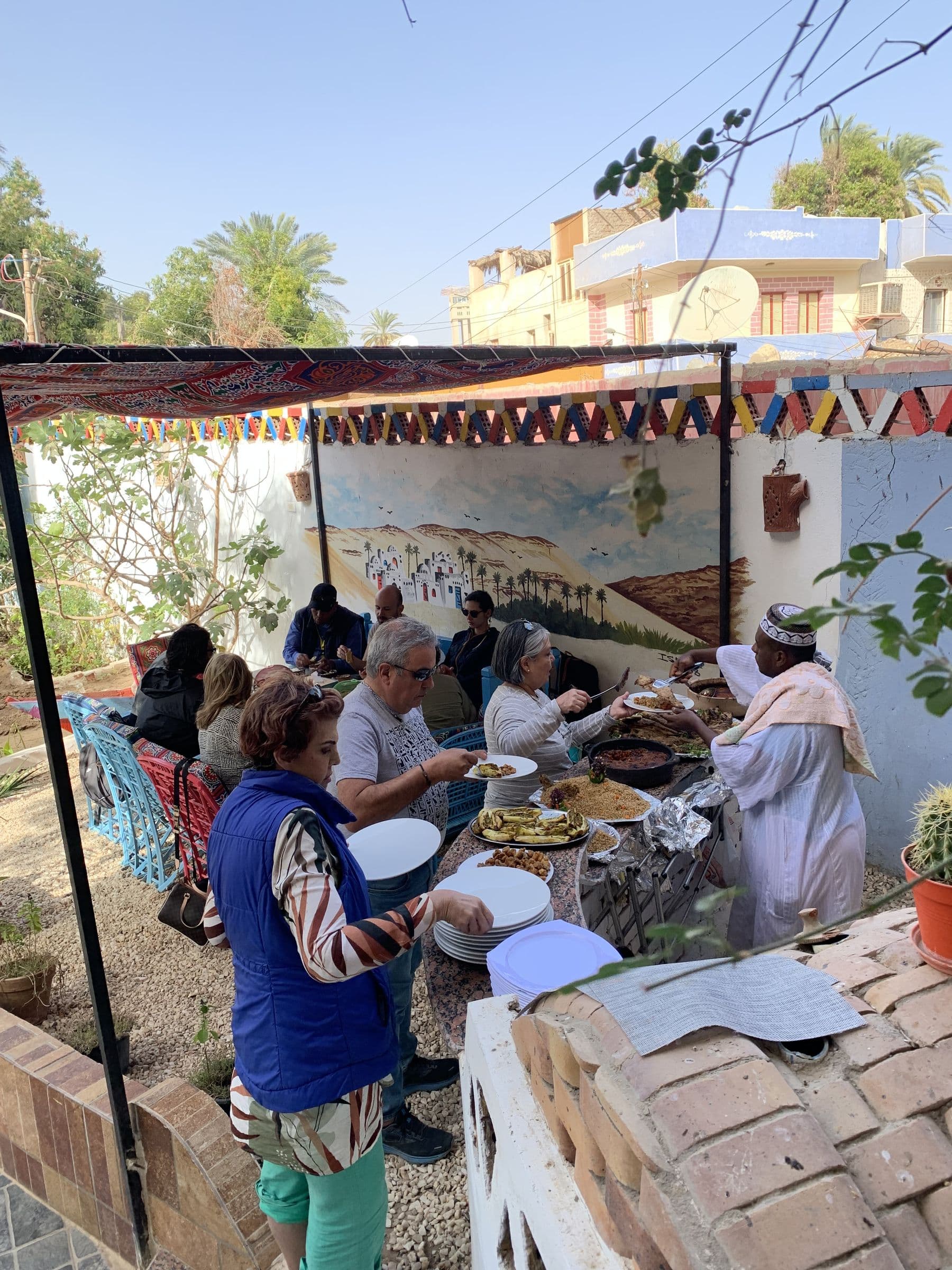
Local, traditional Nubian food served in the garden courtyard of Mango Guesthouse on Elephantine Island.
View details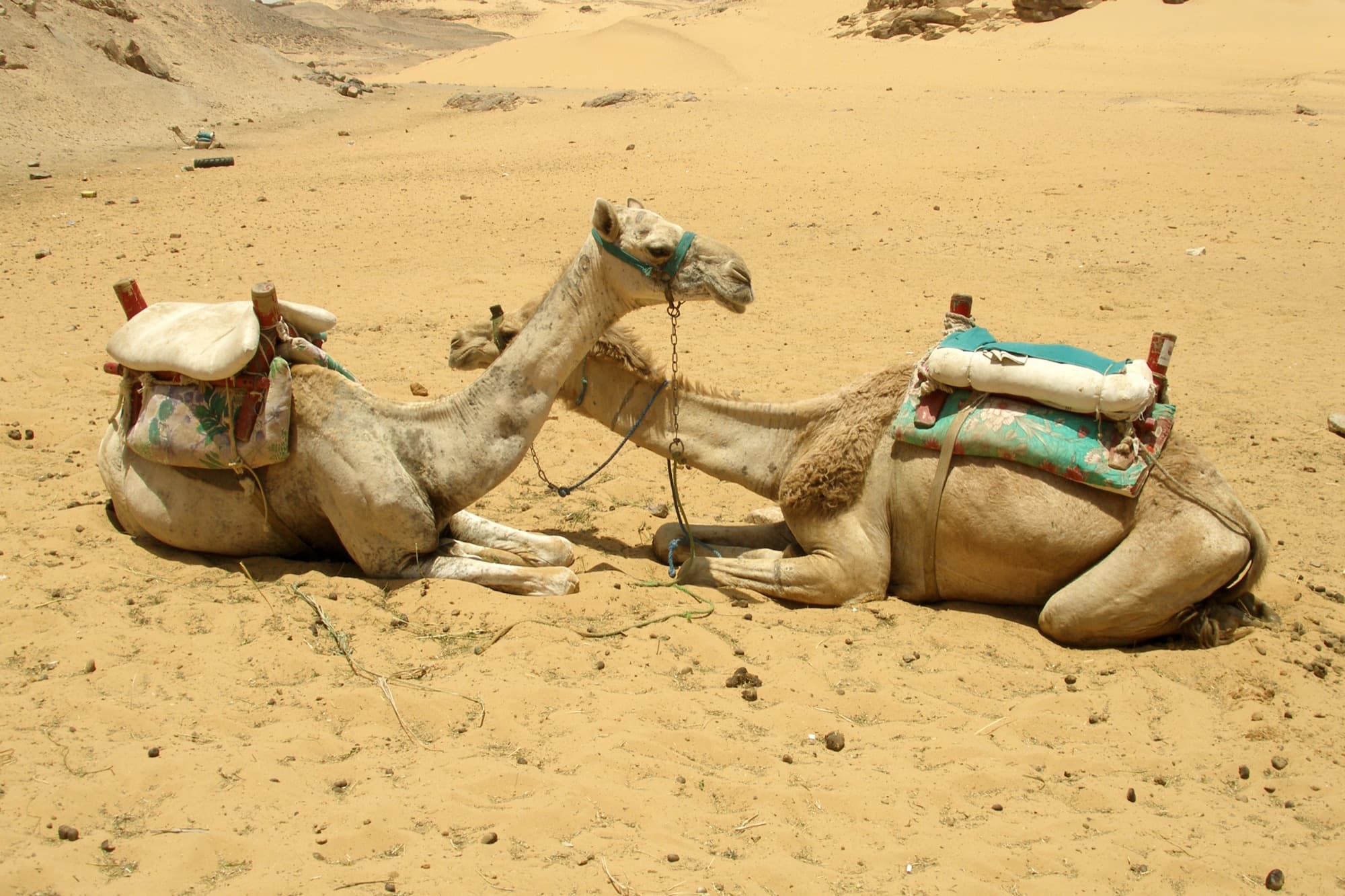
Leave the river behind for the golden dunes and open desert that rise just beyond Aswan’s west bank, the landscape of ancient Nubia.
View details
Climb the golden dunes on the edge of the desert and ride back down on a board, with the Nile and the islands of Aswan below.
View detailsContinue the journey